
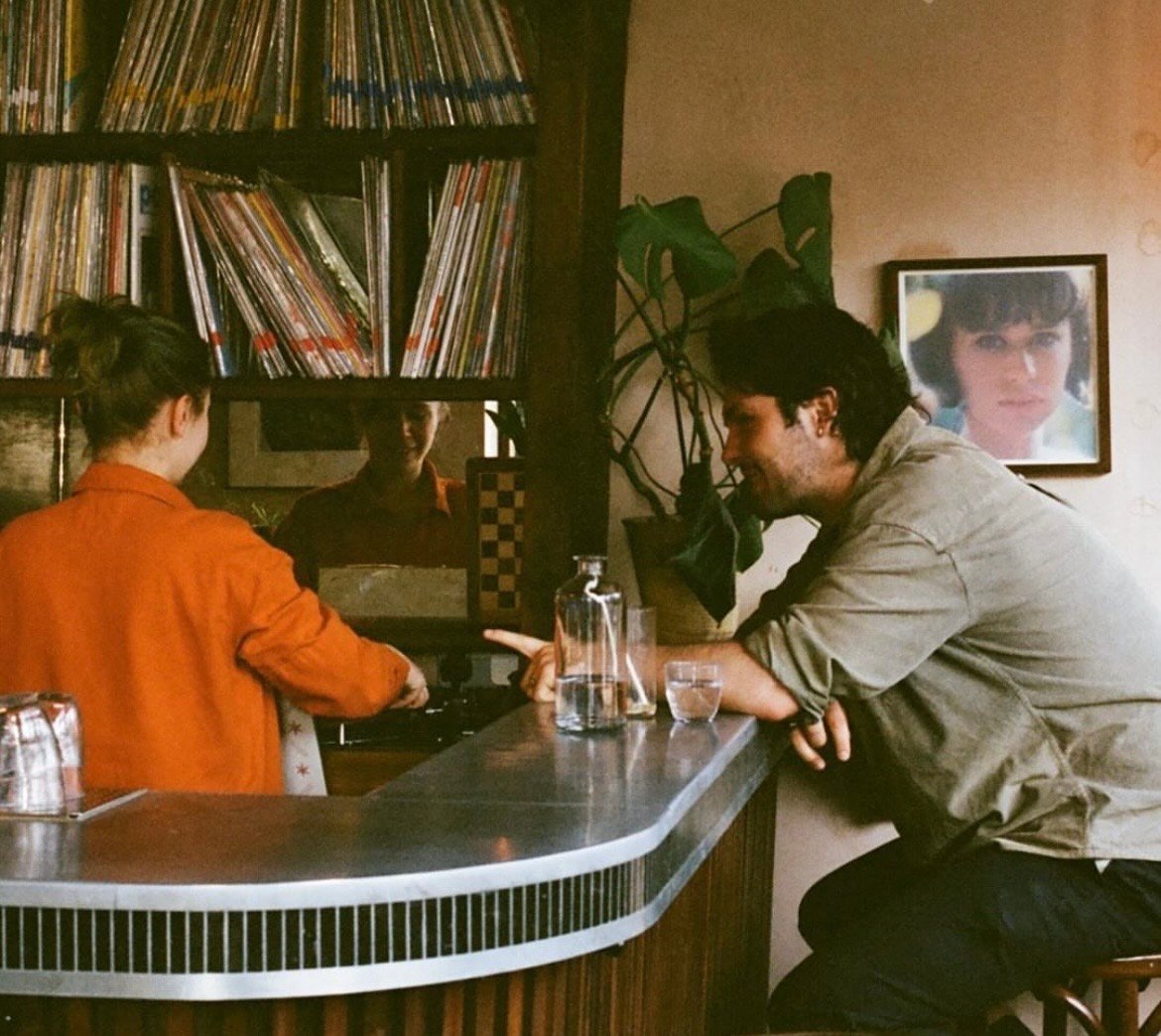
London’s listening bars are booming in popularity for those with an ear for elegance and a taste for mindful mingling.
You may have noticed the term ‘Listening Bars’ slipping into the cultural zeitgeist as they pop up across London. Yet listening bars are not just another fleeting trend. The revival is a long-desired response to our urge for so-called intentional interaction.
A listening bar fuses meticulously curated vinyl records with carefully selected drinks, using high-end sound systems, lighting and design to create a refined sensory experience. Before they were having their moment in London, listening bars originated in Japan as music cafés known as ‘ongaku kissa’ as far back as 1926. At a time when listening to vinyl was not accessible, like-minded music heads flocked to these cafés to listen together; talking was discouraged and rooms were kept dark to heighten the sensory experience. Naturally, they grew to become havens of social interaction, where an appreciation for hidden or treasured records was shared over drinks – a sonic sanctuary where music and conversation could co-exist.
“A listening bar is the perfect subliminal third space…You’re just that place that plays really fucking good music, where you’re nodding your head and so is the person next to you, and you don’t realise it”
The recent resurgence of listening bars in London reflects a larger shift in social habits. Following the Covid-19 pandemic, Londoners are still bruised by the lingering effects of quarantine, and are craving slower, more meaningful social experiences – an alternative to traditional nightlife.
Michael Sager is the founder of Equal Parts, a listening bar on Hackney Road, East London that opened in 2023. Equal Parts place equal focus on their curated vinyl and cocktails. “A listening bar is the perfect subliminal third space, offering a social experience outside of the home, that is inclusive by having music that isn’t too polarising,” he says. “If you have music that no one knows, people won’t identify with it. You’re just that place that plays really fucking good music, where you’re nodding your head and so is the person next to you, and you don’t realise it.”
This pre-digital nostalgia has manifested itself through the revival of vinyl. “You can pay a cheap amount each month and have any music at your fingertips, but with vinyl, it’s more intentional and it says something about you if you’re playing music with intention,” Sager says. “More people than ever are buying record players but maybe that’s also because of this new trend for intentionality and for things to be a bit more analogue, a bit more meaningful.” According to data by the British Phonographic Industry (BPI), vinyl record sales increased in the UK in 2023 for the 16th consecutive year, reaching their fastest peak and fuelling demand for venues that play records on exceptional equipment. A 2024 study by Key Production shows that Gen Z listens to more vinyl, CDs and cassettes than any other generation.
“Our music triggers a conversation between people…You may ask a bartender about a song you don’t know. I love that. That’s what listening bars are for”
London-based DJ and founder of events company Are We Going Out Tonight, Joe Prescott, 24, started going to listening bars through a desire to meet new people with a shared appreciation for vinyl. “I’ve found out about so many artists and genres from hearing it in a listening bar,” says Prescott. “I like to actually speak to people about the records because it’s a personal thing and that doesn’t happen in regular bars. This may be a geeky thing to say but there’s something about the physicality of records that is so special.”
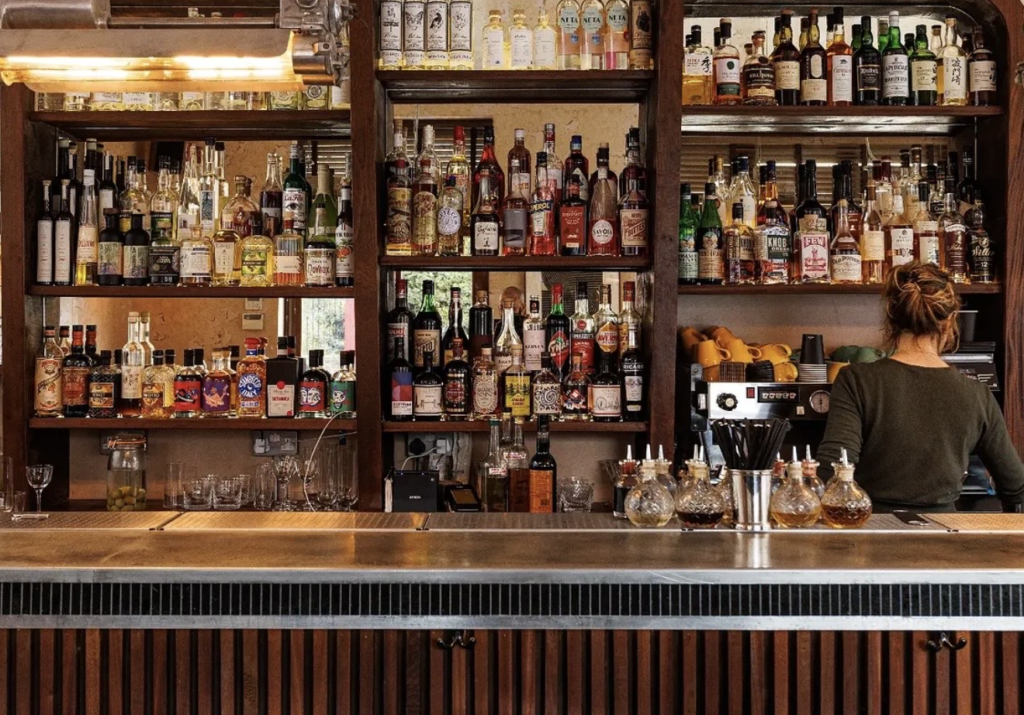
Sager emphasises how interior design is crucial at Equal Parts, with thoughtfully positioned speakers, temperature settings, lighting and felt-padded surfaces. Even the cables, which cost almost as much as the speakers, are chosen to optimise listening conditions. “The whole experience has to be analogue only. There’s something more viscerally complete about listening to music on a hi-fi system that gives an uncompressed sound,” he says. “It’s expensive to commit to, but when I walk into a room I can notice the difference. It sounds pedantic but every part is intentional, not just the music.”
This focus on authenticity allows knowledgeable audiophiles and curious newcomers to connect, while owners and staff bring deep expertise in music and beverages. “Our music triggers a conversation between people,” Sager says. “Heaps of people come alone to sit by themselves and meet someone. You may ask a bartender about a song you don’t know. I love that – that’s what listening bars are good for. There needs to be this element of the elusive; it’s about discovery.”
Every aspect of their curated music approach is in stark contrast to algorithm-driven playlists that dominate streaming services. “I spend days shopping for evocative vinyl records that are sonically interesting to me. All of them are rare records, and I get help from high-profile musicians and industry pros who own record companies globally,” Sager says.
For those willing to step outside their familiar local pub and seek tangible connections in an alienating digital era, listening bars provide a space that celebrates musical knowledge, personal selection and shared intimacy. “Not even five per cent of things I care about when choosing a record might translate to other people, but it doesn’t matter,” Sager says, “because it’s the intention behind it. It’s inclusive intention.”
Read about the GTFO team’s favourite listening bars, here.