
Does the only viable model for cultural production now involve fencing off shared land and charging £80 for a ticket?
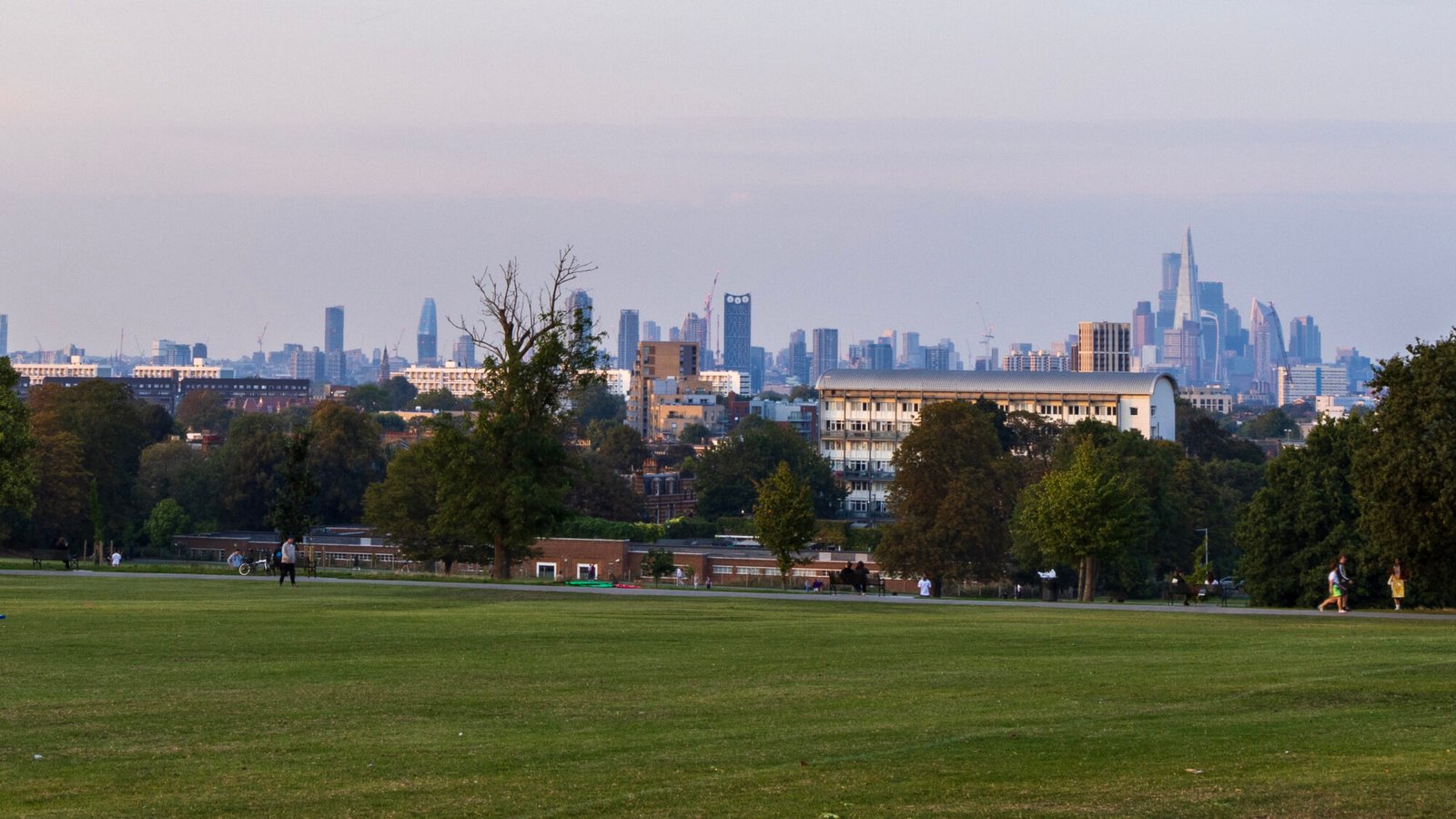
It was one of those delicious London afternoons: heat, bass travelling across the grass, pints warming faster than they could be drunk. Last summer’s Wide Awake Festival was a great time. Held in Brockwell Park, in the heart of South London, one of the festival’s best features was the sweeping panoramic view of the city, which would have made anyone feel all mushy and sentimental about London.
Wide Awake is one of five summer festivals held in Brockwell Park, but whether such events should be allowed to continue is being debated. This dispute is not just about music or summer revelry, but about who gets to claim London’s public spaces in a city that is under constant pressure. Funding cuts and a loss of cultural infrastructure, alongside population growth, are a few contributing factors.
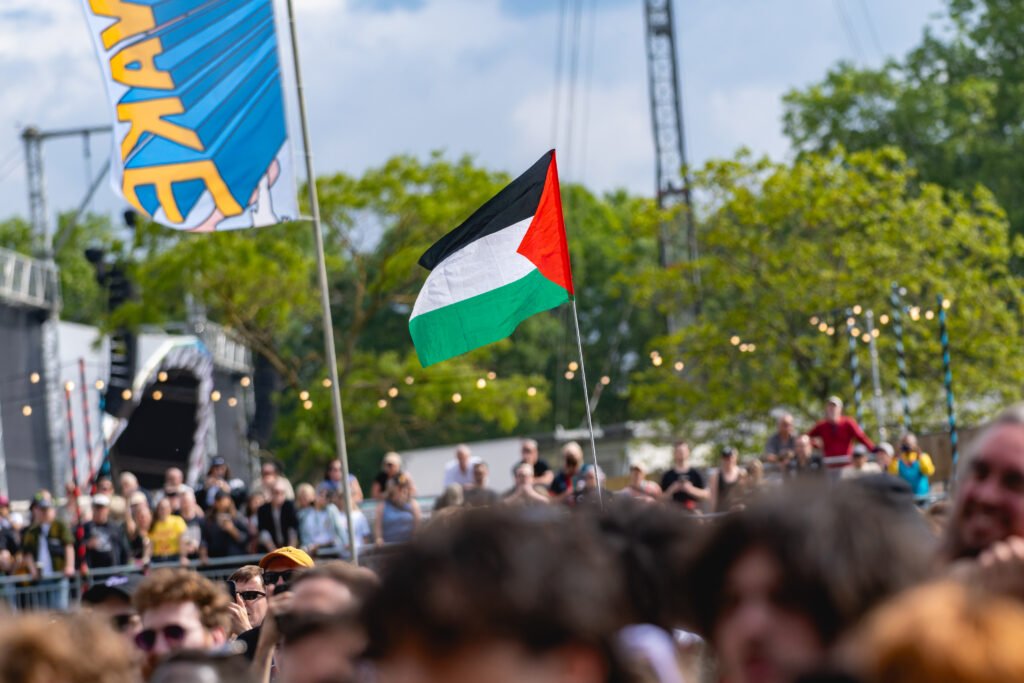
In recent years, local campaigners and residents have argued that festivals are effectively privatising the park. Bigger festivals like Field Day and Mighty Hoopla have faced boycotts because their organiser, Superstruct, is owned by the investment firm KKR, which has financial ties to weapons manufacturing and Israeli corporations operating in the occupied West Bank.
Groups like Protect Brockwell Park say the five festivals dominate the park for too much of the year, making it practically unusable for everyday residents. In Lambeth, where 60 per cent of people don’t have easy access to green space, fencing off public land creates exclusivity, especially when there’s little transparency about how council funds raised from these events are spent.
“People appear painfully aware of cultural change, of familiar spaces slipping away and of outsiders barging into corners they’ve claimed as their own.”
Still, this week Lambeth Council approved the five festivals for this summer. Summer Events Ltd, which runs the Brockwell Live series, has been granted permission to use over a quarter of the park for 32 days between 9 May and 9 June 2026.
Accusations of gentrification are rife online. People appear painfully aware of cultural change, of familiar spaces slipping away and of outsiders barging into corners they’ve claimed as their own. The debate proves that people feel like they are forced to compete for space and a sense of belonging – both of which have come to feel like a limited commodity.
Those wanting to put an end to the summer of festivals have noted that in recent years, London’s parks have seen a rise in large, ticketed festivals. In 2025, music festivals and concerts were scheduled to occupy London’s parks for a cumulative 140 days, up from 87 days in 2022. Much of this growth is concentrated in green spaces like Hyde Park, Finsbury Park, Victoria Park and of course, Brockwell Park. Heavy footfall causes turf compaction and soil damage, with some areas taking months to recover after a festival.
Yet the broader concern lies in the financing model itself, which arguably depends on exclusive control rather than public participation or partnership. Does the only viable model for cultural production now involve fencing off shared land and charging £80 for a ticket? Must public land be periodically surrendered to private use for life to feel vibrant?
“According to the Night Time Industries Association, if closures continue at the current rate, the UK could have no major nightclubs left by 2030.”
Over the past twenty years, the UK music scene has been steadily squeezed by mounting financial pressures, post-Brexit touring barriers, and the gradual erosion of the venues and infrastructure that sustain it – just a few of the many forces contributing to its decline. As a result, it can feel uncomfortable to criticise these festivals. The hesitation is even stronger in the wake of the pandemic, during which more than 3,000 nightlife venues closed. According to the Night Time Industries Association, if closures continue at the current rate, the UK could have no major nightclubs left by 2030. Until meaningful solutions are found, many argue that London must remain noisy and filled with music. It is, after all, part of what animates the city. Underlying both positions is a scarcity mindset that has narrowed imagination. The solution may not be to eliminate culture or exclude residents, but to scale it more thoughtfully. Smaller festivals and events can offer the same benefits people cherish – gathering, music, cultural expression – without leaving a heavy footprint or denying access to the public. These activities have a lower environmental impact and preserve public access. London’s challenge is to find ways for culture to flourish without treating public space as a scarce resource.