
The other day I got lost on the way to a meeting, my phone dropped to 18 per cent, and I needed something radical from the city: a chair and a plug. I found both in a café and paid £5 for a coffee, buying the right to sit down.
No one said I had to pay and that’s the clever part. Stay too long without buying something and you start to feel like you’re committing a minor crime – loitering with intent to rest.
That’s how I fell into the third-space rabbit hole. Sociologist Ray Oldenburg called them the places that sit between home and work: libraries, cafés, community halls, parks. The problem is, they’re getting harder to find. Across the UK, more than 180 council-run libraries have closed, and roughly a third of those still open have cut their hours. In London, spaces that once tolerated lingering are shut, repurposed or priced into oblivion.
So I started clocking the places I “just popped into” and somehow stayed. Here are a few that feel oddly generous and make it easier to just exist in London.
Imperfect Art Club
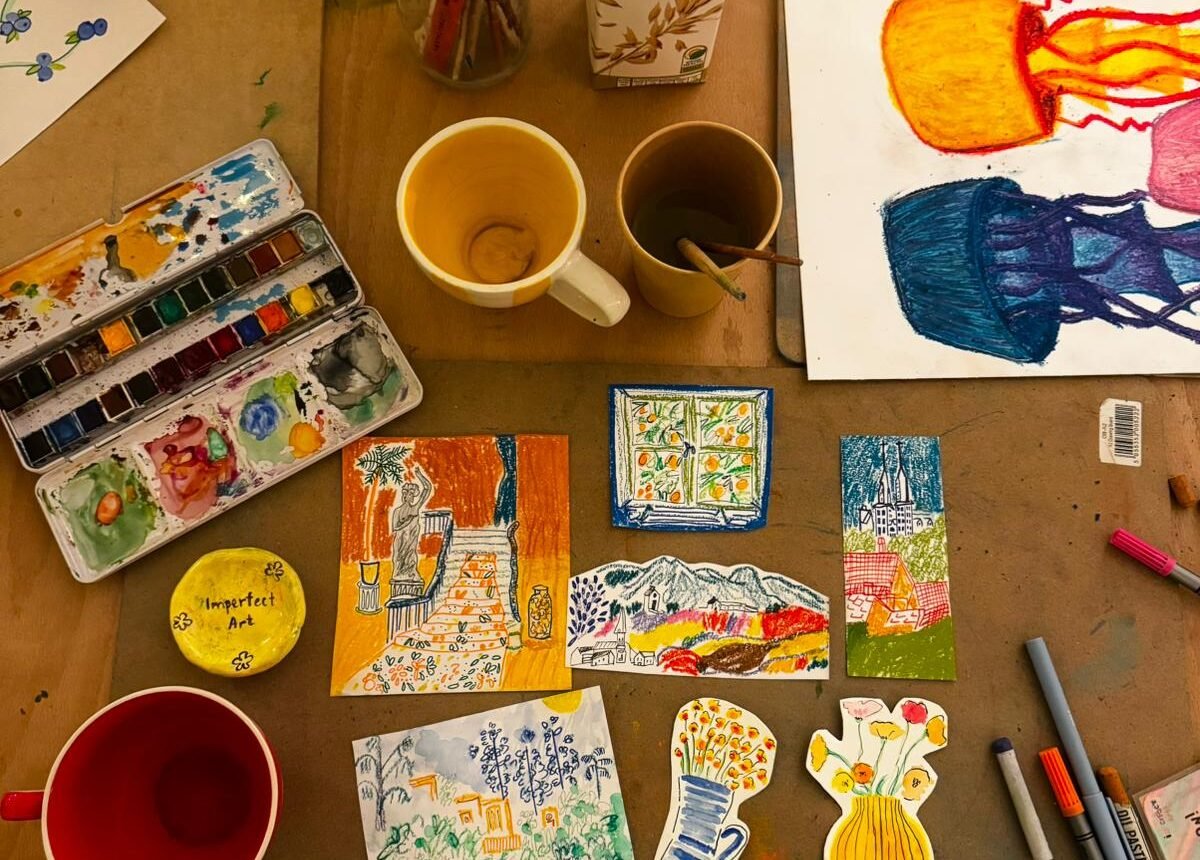
Imperfect Art Club in Islington runs on a simple idea: making something matters more than making it well.
For £15 you get two hours and a table full of materials. No one’s doing that gentle-lean-over-the-shoulder thing that instantly turns you into the worst artist alive. Just jars of brushes, paper curling at the edges, people painting badly and happily over mugs of tea.
You arrive mentally scrambled from the Central line and leave with paint on your hands and your brain noticeably calmer. A friend went recently and spent the whole session making elaborate place cards for a dinner party. Thoughtful, yes, but also two solid hours of sanctioned alone time disguised as productivity.
Dalston Eastern Curve Garden
Tucked behind Dalston Junction Overground, you can slip through a wooden gate and the traffic dulls. Dalston Eastern Curve Garden sits on an old stretch of pieced-together railway line. Raised beds crowd the path and the chairs don’t match. There’s a wooden pavilion and if you stay late enough, the string lights flicker on and the whole place softens. It’s free to enter and you can sit with a book for an hour without anyone asking what you’re doing.
In the evenings there are collage nights, paper folding and small workshops in the greenhouse they call the Pineapple House. You don’t have to talk, but you’ll be having such a good time you probably will.
Royal Festival Hall/Southbank
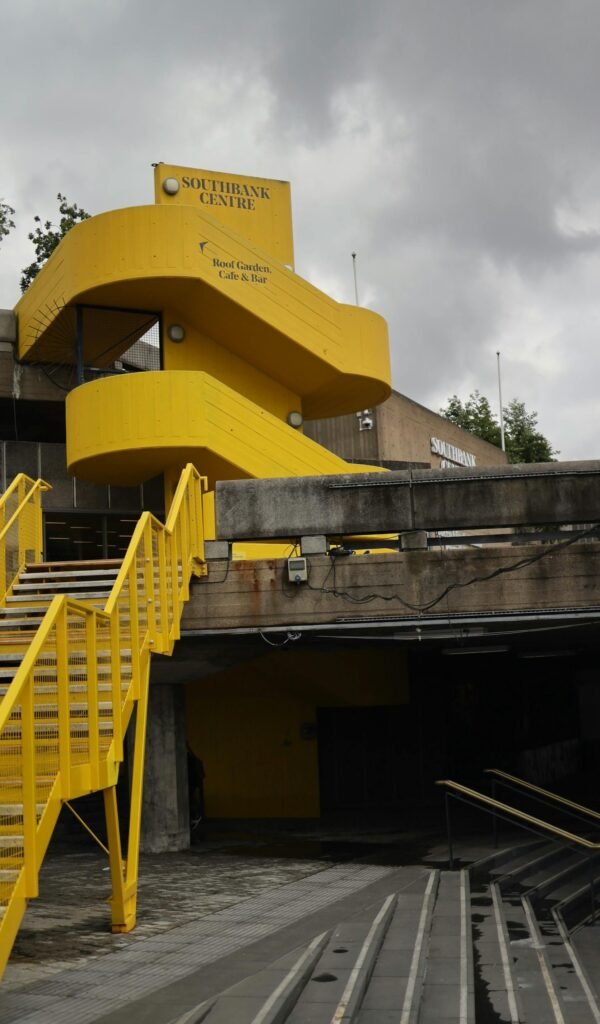
The Royal Festival Hall is my favourite kind of London miracle – you can sit down for hours and nobody asks you to “move along”. It’s roomy, calm and full of people setting up camp with their books, laptops, mates or dates, staying there for whole afternoons.
There are often little free events knocking about too. I once ended up lingering at the edge of a free jazz set tuning up in the corner as commuters drifted in and out. Another time, a small crowd had gathered outside the National Poetry Library for an impromptu poetry reading, people sitting cross-legged on the floor like it was the most natural thing in the world.
Bishopsgate Library
Five minutes from Liverpool Street and the glass-and-hurry disappears behind thick carpet and shiny wood.
Upstairs, inside Bishopsgate Institute, the library has been open since 1895. The collections lean towards London’s working life, protest movements and queer history. It’s free, which in this part of the city feels almost suspicious.
I’ve gone in with no plan, just to sit somewhere that isn’t a café. There’s something about a room full of people quietly concentrating that steadies you. You don’t have to speak, but you don’t feel alone either.
Sonder @find_sonder on Instagram
Not every third space is somewhere you can wander into on your way home.
Sonder, a friendship-making app, hosts events that pop up in pubs and borrowed rooms like UNO nights, speed drawing and mood-board evenings where you cut up magazines and talk to whoever’s next to you.
It’s not as open-ended as a garden or as quiet as a library, but if you go more than once, you may start to recognise a face or two.