
Meet the Londoners giving communities the tools to grow.
‘Grow your own’, a movement toward allotment gardening, has been trending online as people seek more sustainable and self-sufficient ways to eat healthily. But while 100 acres, chickens and courgettes may be the dream, many city-dwellers struggle to find even a scrap of land to plant seeds on.
Despite public appetite for home-growing, over 30,000 Londoners were stuck on allotment waiting lists in 2023, and almost all food consumed in the capital comes from elsewhere.
Around half of London is ‘green’, yet space to grow is being lost to new roads, paving and housing. The result is a growing divide between those who can access fresh, nutritious food and those who can’t.
Amid the squeeze on land, funds and community space, three Londoners are finding creative ways to feed their neighbours, one patch, planter and project at a time.
Jai Desai is finding space in unexpected places
In 2018, Jai Desai suffered debilitating stomach pains. Like many 30-somethings living in London, he had been surviving on quick, convenient meals to save time.
Desai kept food diaries to understand what was causing the pain, and was eventually diagnosed with colitis – an inflammatory bowel disease that requires a restrictive, low-fibre diet.
Reading ingredients on food packaging for the first time, he saw how many supermarket goods are ultra-processed or chemically sprayed and knew he had to make a change.
Desai grew up in an Indian household in Coventry. “We grew a lot of coriander, mint, fenugreek,” says Desai. “These were things we had every summer and we’d cook with them.”
Ten years later when Covid-19 hit, Desai was living in a one-bedroom flat in Brockley. Newly health-conscious and yearning for the outdoors, he remembered his 12-year-old self’s love for gardening and joined the waiting list for a local allotment. He was told it could take up to 16 years to secure a plot. Looking at the waiting list, Desai could see there was a desire to grow food but not enough space.
“The council would like to do this work with communities, but they don’t have the funds.”
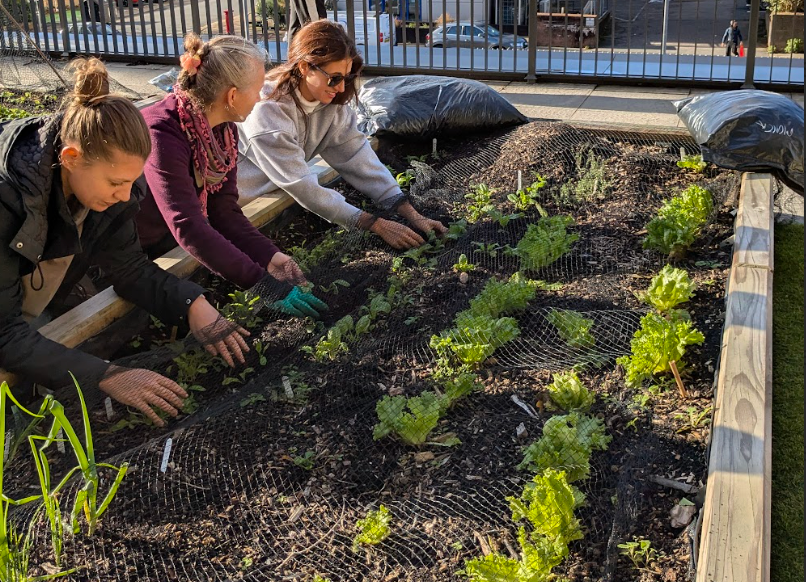
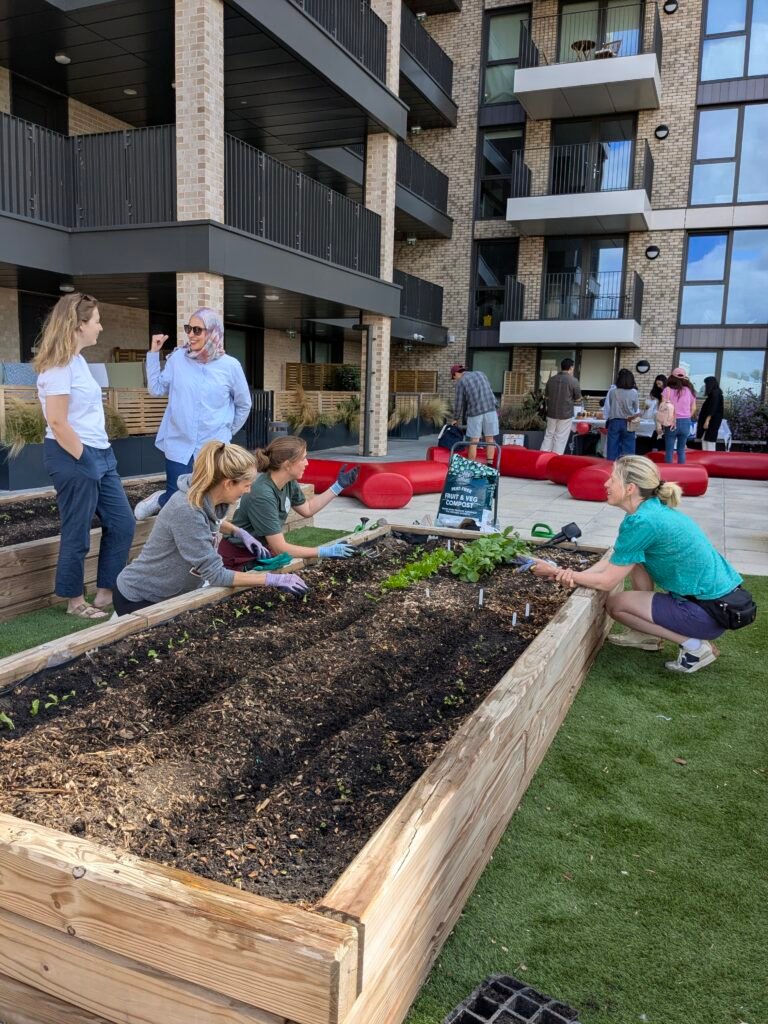
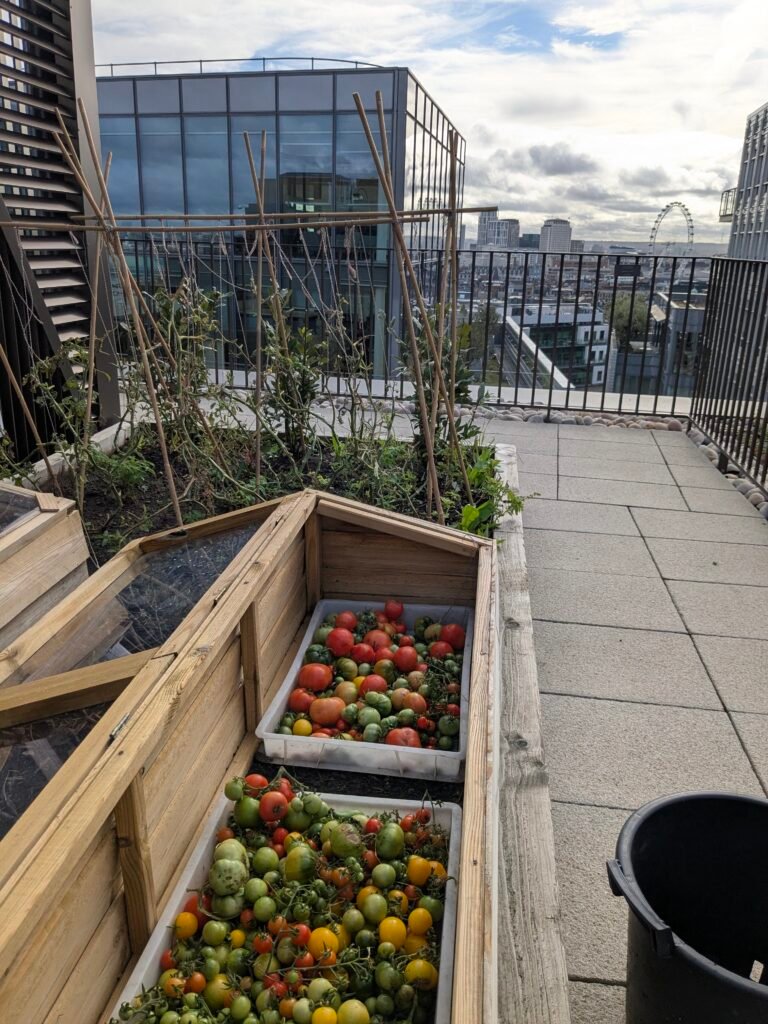
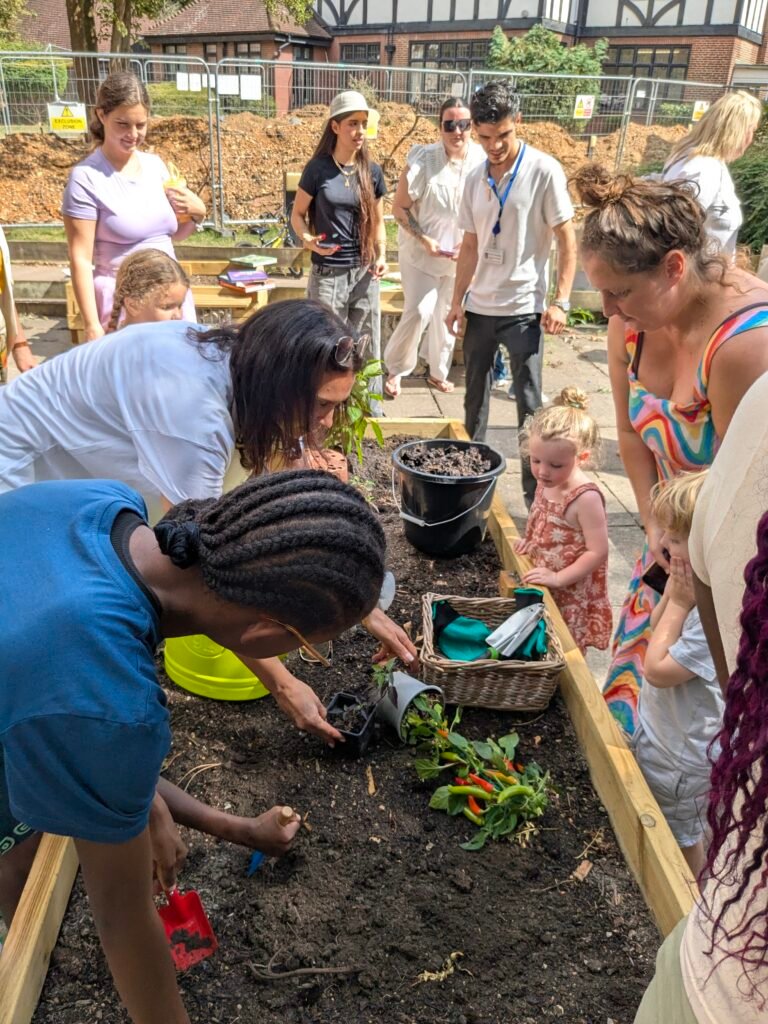
Now 40, Desai is the founder of REAP London. REAP helps communities with scarce free space to grow food in unconventional places. They build raised planters on rooftops, on housing estates, and school courtyards. Once installed, they hold workshops to teach residents how to cultivate fresh fruit and veg.
Although Desai started gardening in pursuit of a healthier diet, he has come to see it as a crucial driver of community-building. He has seen how those with the space and skills to grow can transform neighbourhoods. REAP workshops draw a diverse crowd – young professionals, families, wheelchair-using elders – many of whom, Desai says, stay connected after meeting in the gardens.
Desai believes councils don’t see access to growing space as critical social infrastructure. “They like it, they think it’s nice, but they don’t see it as a must-have. Honestly, I think it’s quite short-sighted.”
By meeting people where they are – on doorsteps and rooftops – Desai wants to bring communities together, one garden at a time.
Victoria Sherwin is fighting for allotments amid developments
Incredible Edible, a nationwide charity with several London branches, is empowering locals to plant fruit and vegetables in communal areas, turning derelict plots of land into thriving spaces.
The project was founded in 2008 in Todmorden by Pamela Warhurst and Mary Clear but has since spread throughout the UK. Many sites are campaigning for local and systemic change. With their motto: “If you eat, you’re in”, the grassroots groups hope to inspire larger-scale change.
Projects like Incredible Edible are needed in the more built-up boroughs of London, explains Victoria Sherwin, director of Incredible Edible Lambeth.
Sherwin says her borough is experiencing “food apartheid”. She believes poor planning has left Lambeth underserved, with limited access to fresh, good quality food.
“The council would like to do this work with communities, but they don’t have the funds,” she explains.
After years of relying on funding from multiple streams – the Lottery and initiatives from the Mayor and Lambeth Council – they have now received five years’ funding from City Bridge.
Many of the projects are run by individuals, and even the most modest projects require significant planning – coordinating volunteers, understanding policies, obtaining insurance and completing health and safety training – so it is difficult to expand projects, particularly given the lack of investment and cohesion.
With greater funding, the charity hopes to train more volunteers and organise events which support people to expand their network, so that more Londoners can get involved in growing fresh, local food.
Gregory Cohn is fostering social connections through gardening
Gregory Cohn was running an agency promoting worker co-ops in Tower Hamlets, but he felt there was an imminent need to address the poor health and wellbeing of the community, particularly within the Bangladeshi community, which makes up a third of the borough’s population. Established in 2006, Seeds for Growth’s primary focus was promoting health and well-being.
“If I weren’t here gardening, I would be at home, feeling down and lonely.”
Now, the charity sets up projects across London, encouraging locals to get outside and get involved in the community. It has set up fresh food co-ops for 35,000 people and supported 500 convenience stores in stocking fresh food. Their legacy inspires many to continue long-term.
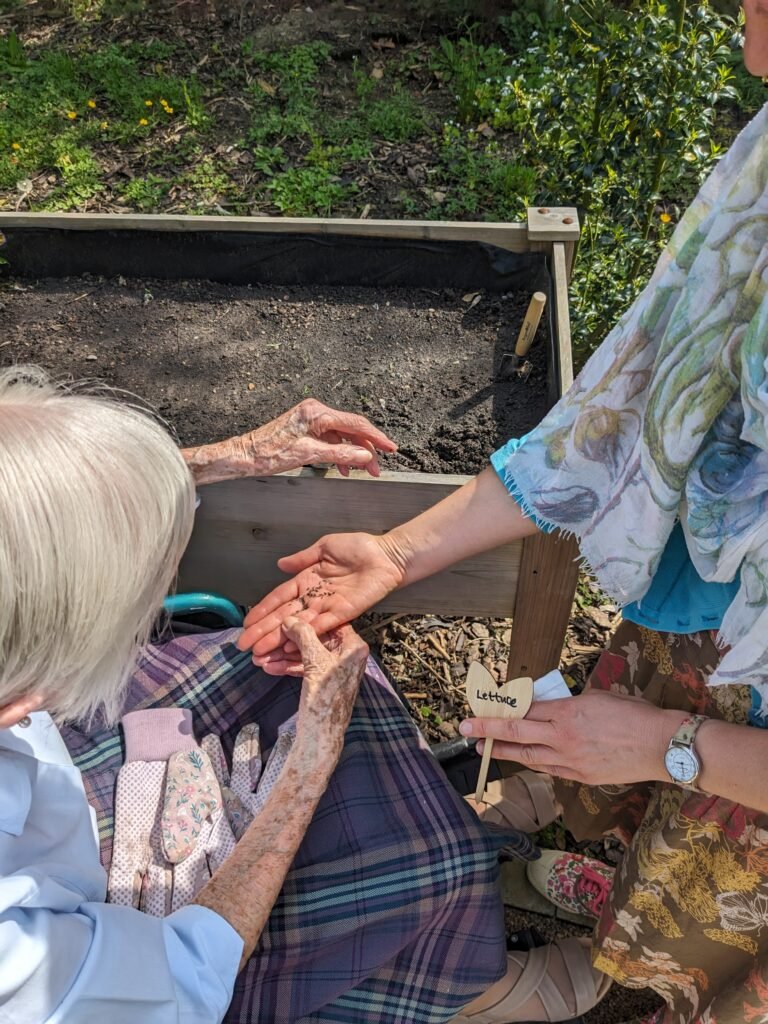
Each project targets a different objective. Green Dreams, for example, is a weekly two-hour gardening session for those struggling with grief or their mental health. The initiative encourages teamwork and provides guided therapeutic walks.
“A lot of these people will do nothing during the week other than go to medical appointments,” Cohn explains. “They’re often extremely isolated. They have no friendships and weak self-confidence. Going out once a fortnight, meeting other people, working with other people, raises their skills.”
Attendees of Green Dreams value the initiative. Ann, one participant, says “If I weren’t here gardening, I would be at home, feeling down and lonely.”
James, a support worker at Advance UK for people with learning difficulties, says his patient “usually doesn’t interact with the activities we go to, so this is the first time I’ve seen him get involved and enjoy himself.”
The charity has also supported the NHS in greening their roofs and the land around their premises. For example, on the Isle of Dogs, the GB centre now has a roof garden which can be attended by staff, patients and locals.
Another initiative facilitated pupil-led fruit trucks in schools. The charity introduced different schools to the idea, identified a supplier, and provided a guide on how to set it up. Children aged 10-15 were then able to start a market store, selling fresh fruit to peers and providing a healthy alternative to supermarket-bought snacks. The initiative also taught them how to manage money and sustain a business.
Hope grows in the smallest spaces
As Londoners grapple with shrinking green space and widening equity gaps, these groups are fighting for a different future.
Under pressures to boost economic growth and welcome capital investments, the government’s green initiatives often suffer from a lack of funding and prioritisation.
While initiatives like the Good Food Cycle promise to promote food security, these groups argue that people with the space and tools to grow their own nutritious food can cultivate whole communities.
Whether through a rooftop planter, derelict verge or weekly gardening session, residents are finding innovative ways to connect. And in the UK’s capital, where access to fresh food is undemocratic and inequality is deeply entrenched, these initiatives offer a way to revive and reclaim neglected spaces, while encouraging people to eat fresh.