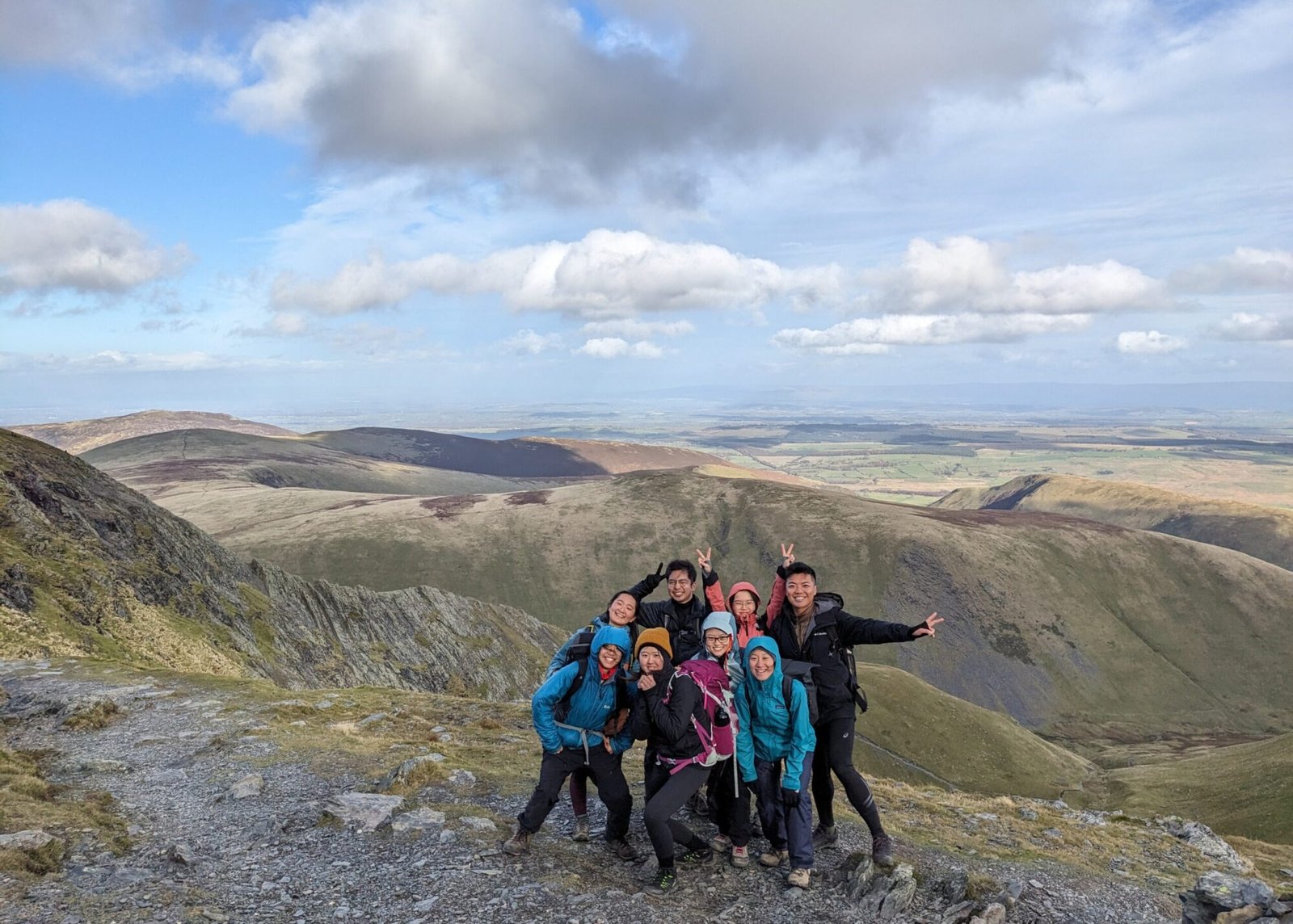
Ethnic minorities taking up outdoor activities means better health for society and the planet.
A misty sunrise hike in the Peak District. A morning plunge in the ice-fresh Atlantic waters of Cornwall. A group stroll along the historic trails of Sherwood Forest. The British countryside has something for everyone, from beaches and mountains to 15 protected National Parks. But not everyone is making the most of it.
Park surveys reveal a serious problem when it comes to getting ethnic minorities into the great outdoors. In 2026, this is a narrative that some are working hard to change, to the benefit of people and the environment.
The 2022 Yorkshire Dales National Park Authority Visitor Survey reported that 92 per cent of its visitors were white British. A similar report from the South Downs National Park showed that 96 per cent of its visitors were white British, and the Lake District and the New Forest have collected similar data. Research by the British Mountaineering Council suggests that cultural perceptions of who participates in outdoor activities are in themselves barriers to getting outside.
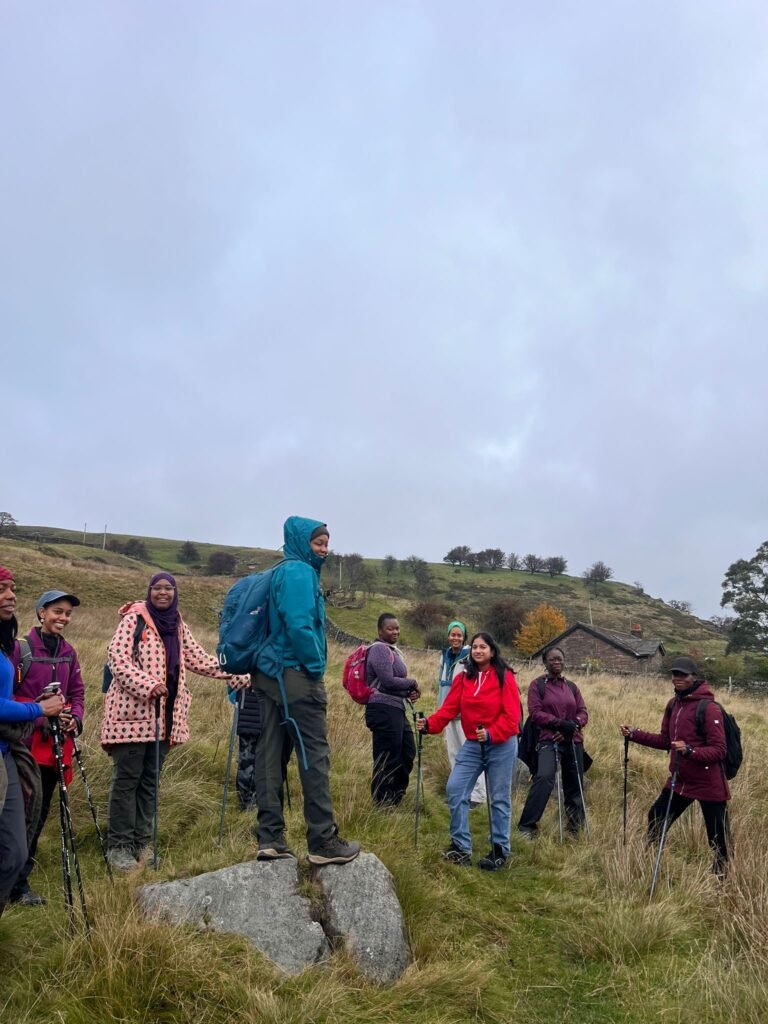
“I think a lot of it just has to do with access and representation,” says Shukura Babirye, founder of the Black women’s hiking group Moja Collective. Outdoor brands like The North Face, Arc’teryx and Salomon have only recently started including non-white models in their campaigns.
This marketing feeds into those cultural perceptions, reinforcing stereotypes and keeping minorities indoors. “You might start thinking, whether unconsciously or consciously, maybe it’s not for me,” says Babirye.
Robin Goon – who co-runs bouldering socials for ESEA Outdoors UK, an outdoor collective for East and Southeast Asians – agrees: “I think that, whether it’s a stereotype or whether it’s true, that sort of idea hangs over people’s heads when they want to engage and experience these activities.”
“When we go camping, it is always white families. I definitely don’t see a racially diverse crowd.”
Shireen Haque, 22, works in central London and has only recently taken up camping and hiking.
Haque is a second-generation Bangladeshi who, apart from school-led expeditions, never took part in outdoor activities. She says: “I feel like you grow up doing certain things with your family at the weekend, and for me it definitely wasn’t going camping in the cold and rain.” But once she started hiking with her partner, who is white British and grew up with camping as an important part of his life, she discovered a passion for it.
Haque believes that a general lack of diversity in the outdoors may have prevented her from getting into it sooner. She says: “When we go camping, it is always white families – I definitely don’t see a racially diverse crowd. I think that feeds into that idea that it is a white thing.”
But the tides are shifting. Reconomics 3.0, a report published in January 2026 by the UK Sport and Recreation Alliance, reveals a 22 per cent increase in ethnic minority groups participating in outdoor activities compared to ten years ago.
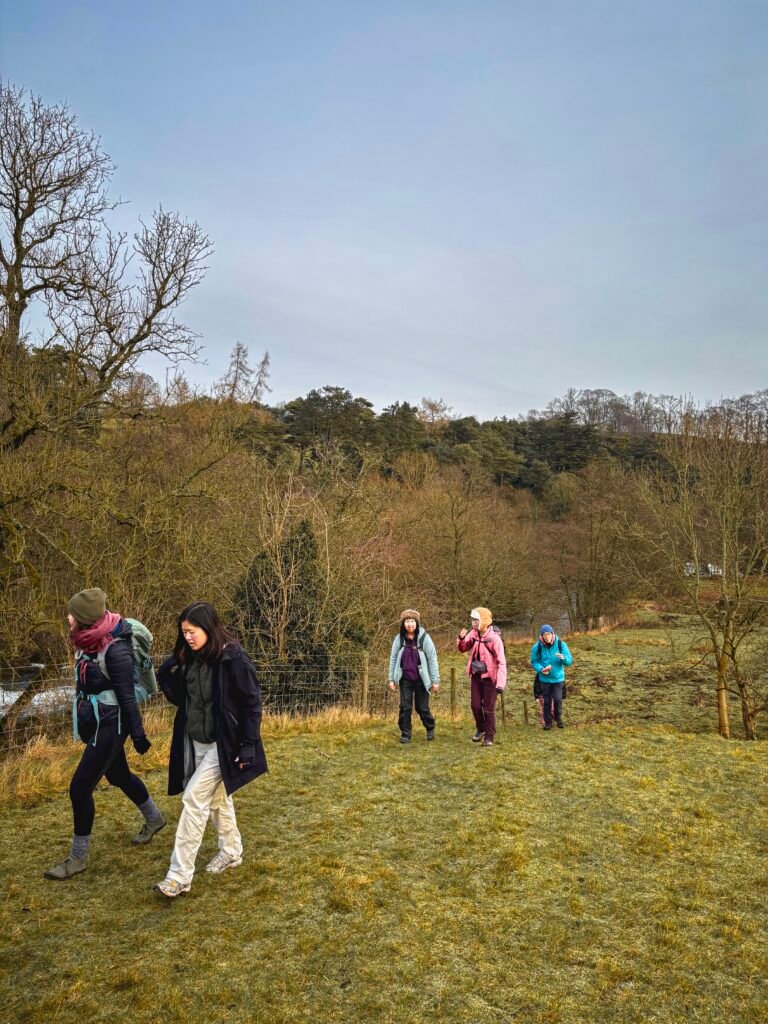
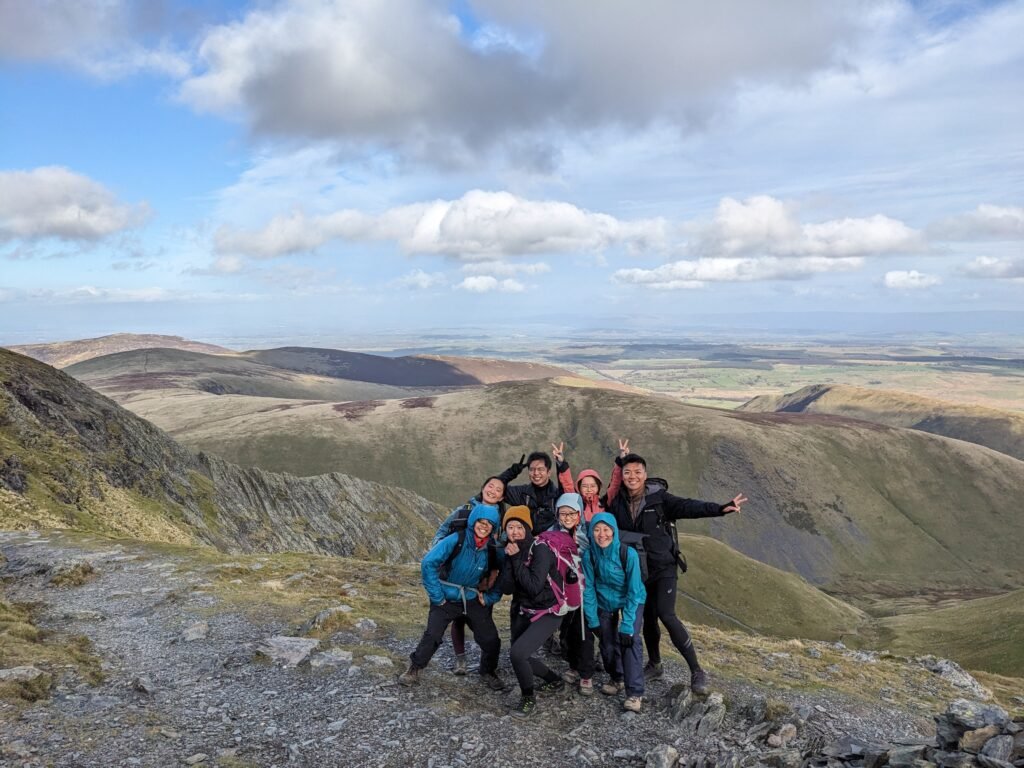
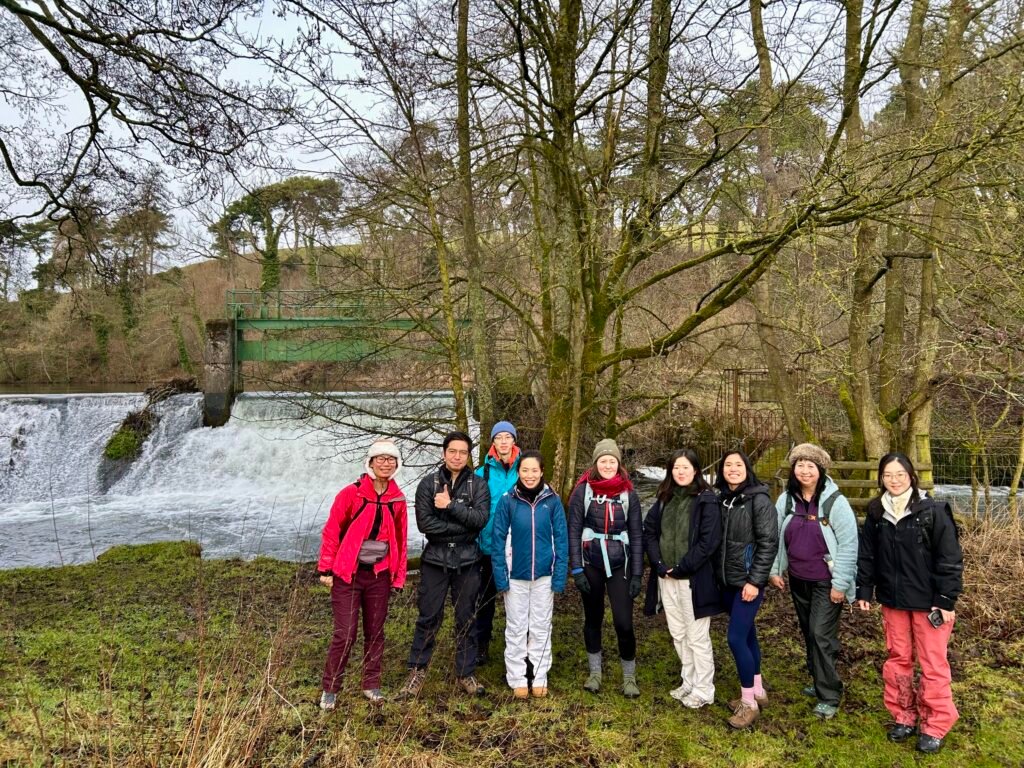
The change may be thanks to groups like Moja Collective and ESEA Outdoors UK, which bring together communities of like-minded people to enjoy the natural world without prejudice or fear.
There are plenty of other groups in the UK working in this space. Touch Grass has created a community of queer women, trans and non-binary people who enjoy being outdoors. The Active Inclusion Network is a safe space for Muslim explorers, organising hikes which integrate daily prayer. All of these groups have the same objective: getting people of UK ethnic minorities (or members of the global majority, as Babirye and others prefer to say) involved in activities.
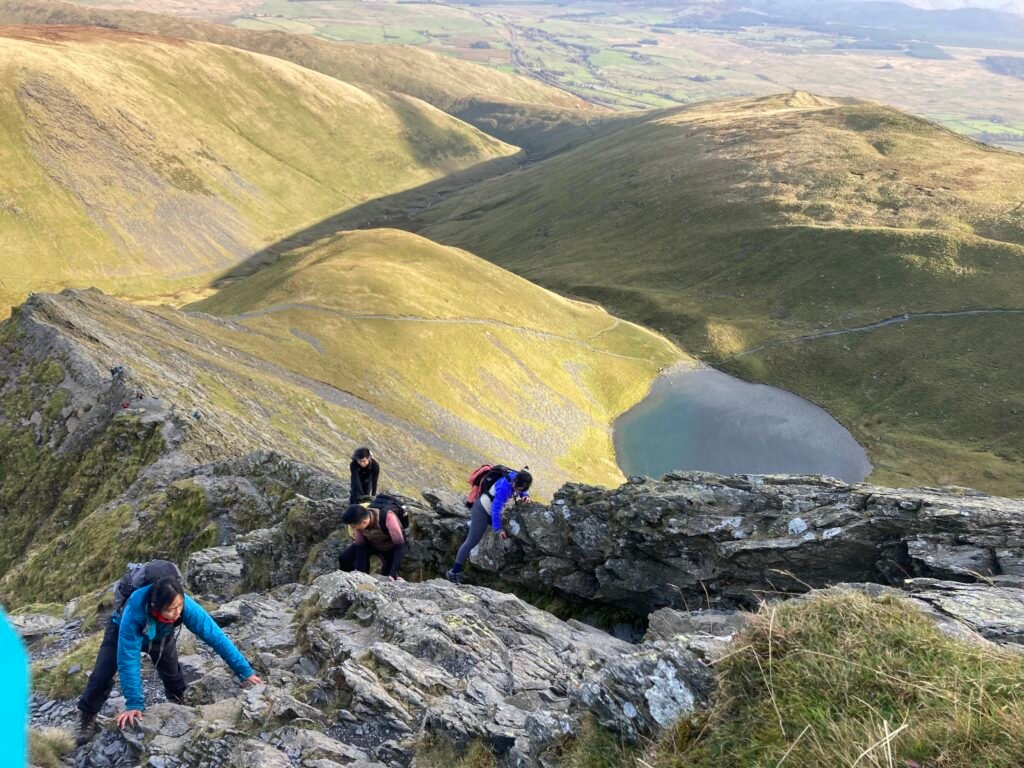
“I think it comes back to that idea of belonging somewhere and being a part of your own tribe. Being surrounded by your community creates a much more enriching experience for people,” says Goon.
For him, it’s that sense of community which makes these groups so popular. ESEA Outdoors UK now counts hundreds of members nationwide, with local groups in London, Edinburgh, Bristol and Birmingham.
The Reconomics Report shows that Black ethnic groups have seen the largest participation increase in outdoor activities at 38 per cent.
“There’s more and more groups that are specifically Black-led, and I think that probably plays a part in getting people outdoors,” says Babirye. She credits several Black-led groups like Black Girls Hike UK and Wanderers of Colour for the change. “We want that sense of belonging and community.”
The changing landscape of outdoor participation, although still a work in progress, comes with benefits. Reconomics 3.0 reveals that every year, the outdoor sector saves the NHS an estimated £5 billion and contributes around £22 billion to the UK economy. But those who frequently get out into nature are also more likely to protect it.
At Moja Collective, Babirye organises talks with people about conserving the UK’s wildlife and green spaces. “I feel like people would be a little more caring about the environment if they knew a little bit more,” she says.
“We want that sense of belonging and community.”
Goon, who works in the sustainability sector at the London School of Economics, concurs: “A lot of the people I know who are outdoor lovers and spend time in nature are able to connect with people better and have that need within them to preserve and protect the nature around them.”
And this is backed by science: it is proven that people who feel more connected to nature are more likely to make an effort to protect and conserve it by recycling correctly, buying seasonal food, avoiding waste and maintaining green spaces.
Andrew Wang, the founder of ESEA Outdoors UK, is a champion of this idea. In an interview with All the Elements, he said: “Large-scale conservation relies on a nature-connected population. This is achieved not by perpetuating exclusion, but a radical equity of access to nature.”
So ultimately, it’s a no-brainer: nature makes us feel better, it brings people together, and in return, we are more likely to protect it. In a world threatened by climate change and rapid urban development, encouraging people of all backgrounds to get outdoors is not just a move towards social equality, but an act of planetary preservation.