From therapy ponies to simply being outside, garden therapy is reconnecting people to themselves, each other and nature.
Therapy is notoriously difficult. It can feel overwhelmingly awkward to be locked in a room and forced to talk about your feelings. Garden therapy seeks to address this common discomfort.
The therapy room can be a strange environment. Stripped of the comforts that furnish most indoor spaces, the clinical atmosphere can contribute to a more general discomfort around opening up. This, in part, explains the success of garden therapy.
Replacing artificial lights and ticking clocks with sunlight and birdsong, garden therapy is exactly what it sounds like: therapy but in a garden. Although this may seem like a small change, its benefits are abundant.
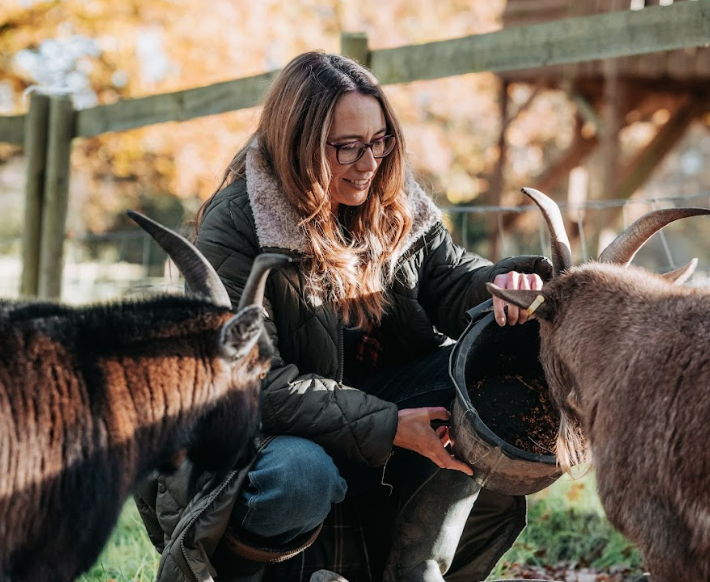
Instead of sitting and talking, therapists and clients go for a stroll in nature, pet a ‘therapy pony’ or do some gardening. From the moment they arrive, clients choose the activity, a freedom which enhances the therapeutic potential for some people.
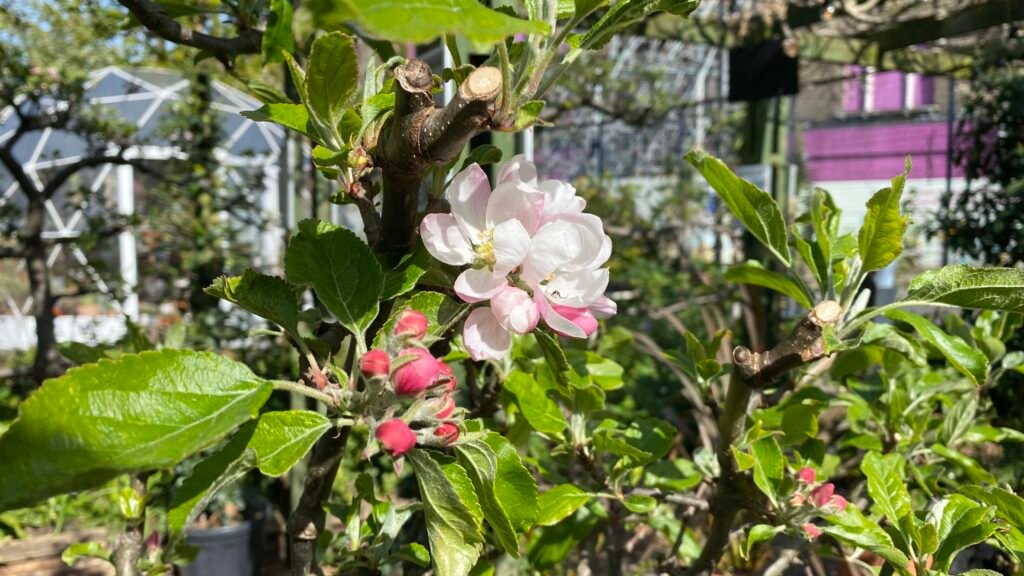
To Kate Beckwith, a psychodynamic psychotherapist who practises in a woodland environment in Colchester, Essex, nature is essential to her work.
Beckwith says: “It’s a lovely thing to have the birds singing in the background and there are things that interrupt us – it’s so different from being in a clinical indoor space where there’s this additional constriction and sense of pressure.”
Beckwith explains that the outdoor environment helps people with self-regulation.
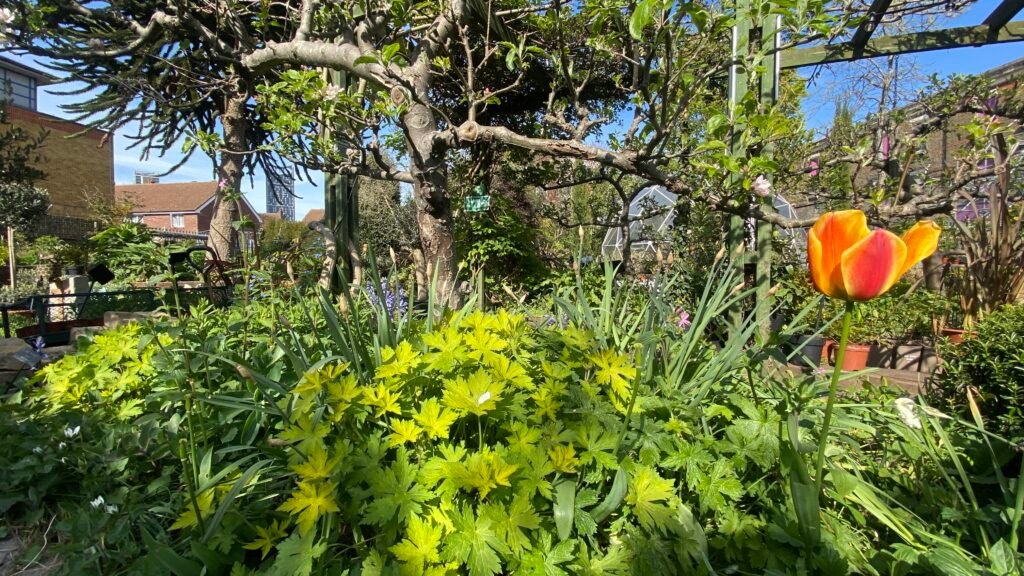
Oli Haden, CEO and Head Gardener at Walworth Gardens in London, spoke to us about their gardening therapy programme. Walworth Gardens’ therapy takes a different approach to Beckwith’s practical therapy. Here, they offer therapeutic gardening, yet Haden echoed similar sentiments.
“The time spent in calm conversation – at flowerbeds or in the rhythm of digging and planting – creates a space in which people can connect with themselves and others, and reconnect with the natural world.”
“The therapy is in the experience; this is very much about doing. It’s not spoken therapy, it’s the experience of gardening with others,” Haden says.
He continues, “We are increasingly disconnected from the natural world; this has been happening for a very long time. It is powered in part by society’s attitude towards the raw, uglier side of nature. Our constant desire to pretty things up has left us shallow.”
Haden explains that his gardens see hundreds of people coming to their sessions at Walworth Gardens in Kennington, south-east London.
“There is no particular group of people that are attracted to the programme,” he says. “They vary in age, race and gender. The groups help with isolation and allow people to meet others they might not have otherwise. These encounters can be strange, and in that way, enriching.”
One of garden therapy’s most prominent benefits is the sense of belonging it can provide.
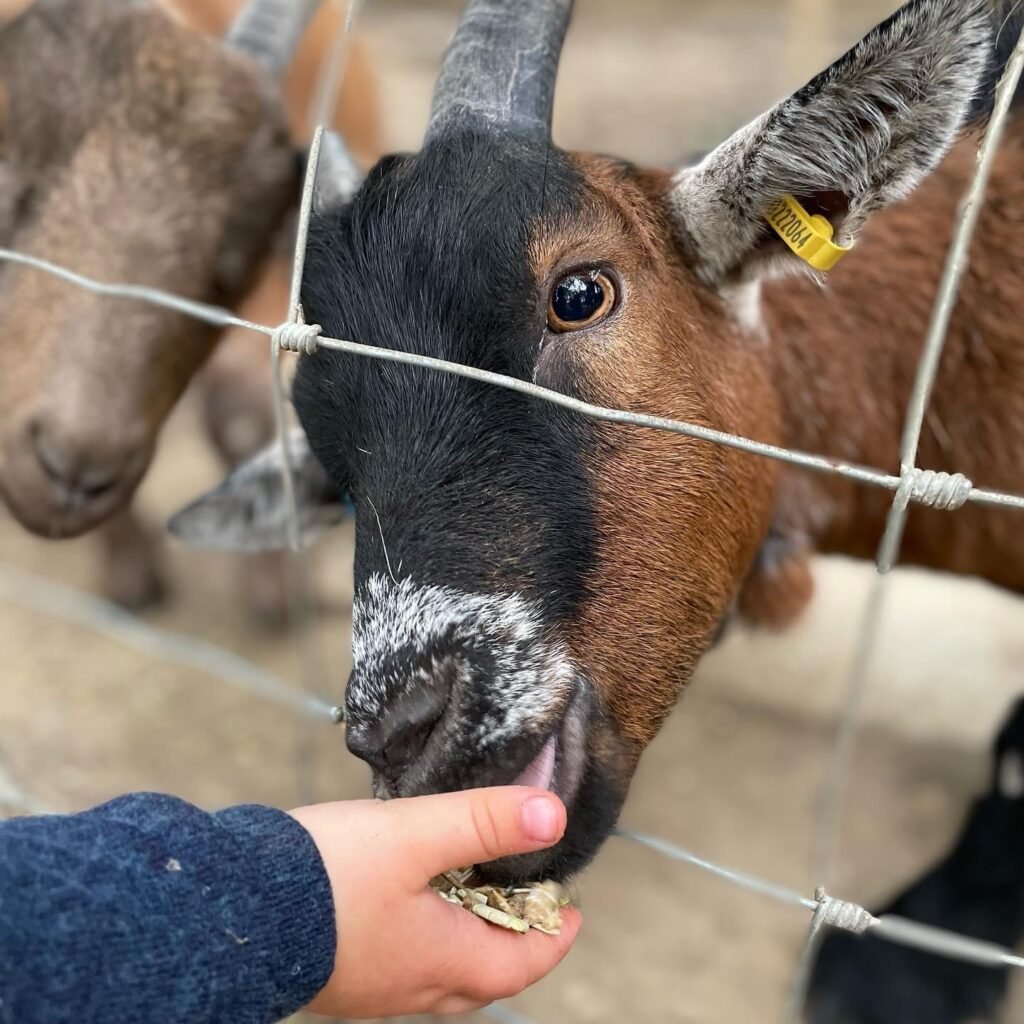
“The world is in turmoil,” says Haden. “We are more and more divided as people and societies. If we can come together to have a common pursuit, nature can help us as much as we help it.”
That notion is echoed by Beckwith.
“When I’m in a session, we’re often dissecting really emotional stuff and it’s hard, but being able to interact with our ponies or walk them is often hugely beneficial for therapy.”
“It’s relieving and makes the therapy, which is a typically testing experience, much more comfortable and therefore effective,” she says. “The time spent in calm conversation – at flowerbeds or in the rhythm of digging and planting – creates a space in which people can connect with themselves and others, and reconnect with the natural world.”
According to The National Library of Medicine, a principal difficulty in therapy is getting clients to open up — traumatic memories can be hard to revisit.
Beckwith explains that, in her training, she learnt that the arts “offered an alternative way in and helped form that connection with people”.
“Nature can help us as much as we help nature.”
“When I was doing my training in schools,” she continues, “I discovered that the moments between picking up my clients and being outside, bringing them across the school playground, that was where things started to happen.”
Haden recalls a story about one of the garden sessions’ most memorable members.
“We met six or seven years ago. They were an alcoholic and often visited the garden to walk their dog. For some reason, they kept coming back to the garden, and gradually they got to know us.”
“At one point there was a conversation, and I encouraged them to join the therapy session. I said, ‘You can join but you can’t drink.’ It took some time but, lo and behold, they applied themselves and turned up every week. They completed the 14-week programme sober.”
He continues, “Shortly afterwards, they joined us to work on the City & Guilds accredited Horticultural Courses, after which they went on to set up their own gardening business. To this day, they work as a gardener. They found themselves, and it’s heartening that the garden contributed to that.”