
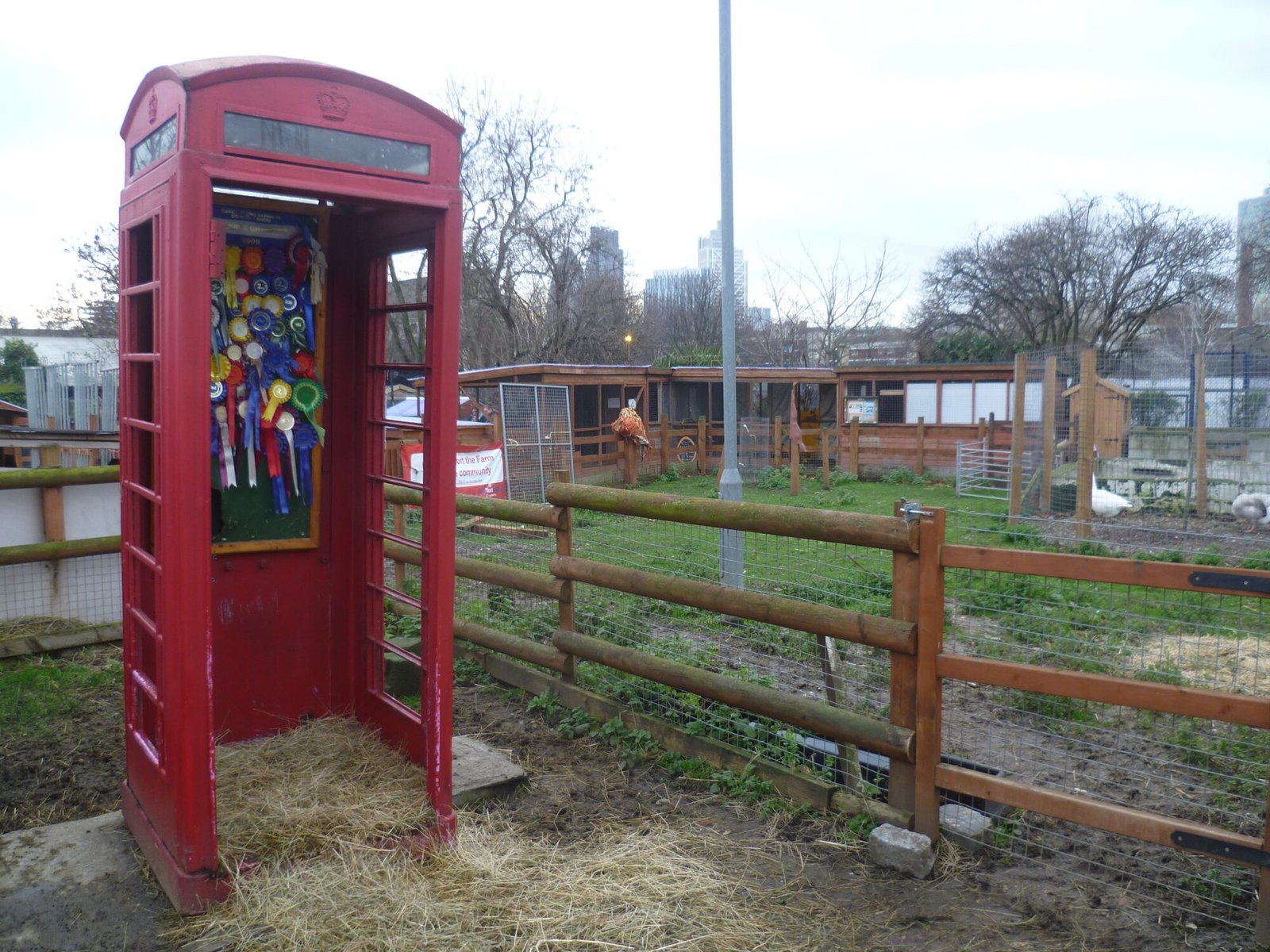
City Farms are the community hubs reconnecting Gen Z with nature.
Living in London, you probably think you know it: awful traffic, a Pret on every corner, never-ending tube delays. What you might not have noticed are these 12 pockets of greenery nestled within the city’s mayhem. No, not parks. Not allotments, and not gardens either. These inner-city sanctuaries are London’s urban farms, and they’ve been popping up since the seventies.
While each farm is different, all require volunteers to keep them running. From caring for their resident animals to tending to crops and organising events and visitors, there are an abundance of opportunities to get involved. Hafsah Hafeji, Volunteer and Community Outreach Officer at Spitalfields City Farm, is in charge of ensuring the well-being and day-to-day experience of those helping out.
“We have volunteers in all roles from visitor liaison and gardening to helping with the animals in the farmyard,” she explains. “I do community outreach, which involves making the farm more accessible for groups in the local community.”
The farm, which has over 60 regular volunteers, has previously worked with a local addiction recovery house and Brady Community Centre’s social prescription group. It also runs programs specifically for women and young people.
“The fact that urban farms exist in central London, where land is being grabbed left, right and centre, is special in itself.”
“What makes Spitalfields so special is our connection to the local community,” says Hafeji. “Last year I ran a community consultation with people living locally and who are part of different industries, just to get an idea of what they wanted to see more of. We ensure everything we’re doing is aligned with what the community needs. The farm started with local parents taking over the space as a safe space for kids to play and we want to keep that authentic spirit.”
The benefits to young people living in the city are particularly apparent, with farms like these providing much needed time away from screens and the opportunity to develop practical skills.
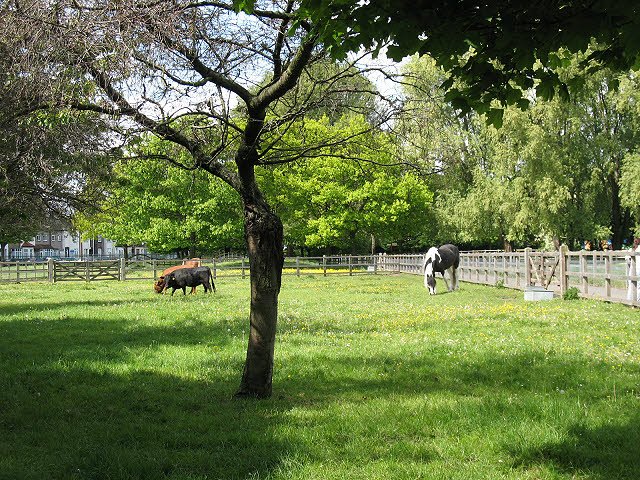
“Spitalfields run a young farmers program every Saturday for young people who want to learn how to look after animals and gardens. We have our regular volunteer program for over 18s too.” Understanding how busy life gets, Hafeji encourages anyone to stop by the farm and enjoy it.
“The fact that urban farms exist in central London, where land is being grabbed left, right and centre, is special in itself. There’s so much in these spaces which is keeping nature within the city and providing a sanctuary for nature as well as people.”
Despite the work of city farms, London’s changing landscape and threats to funding have resulted in the loss or risk of many institutions. In 2021, Newham City Farm in east London closed after almost 45 years. More recently, Mudchute Park and Farm on the Isle of Dogs has been threatened with risk of closure after the local council changed lease conditions, making it impossible for the charity to apply for suitable funding.
“Mental health is often a core driver of people who come to the farm. We get a lot of people who say they are here because they are struggling with anxiety, overwhelm or burnout.”
Just across the river from Mudchute is Surrey Docks Farm. Here, volunteers can get involved in a range of activities, from tending livestock to helping at sessions for local children. These hands-on sessions allow volunteers to get involved with the running of the farm.
Erin Julian, the farm’s office coordinator, explains, “If you are a young person and you want to work with animals or you want to be outside and away from your computers and screens or you want to learn new skills that you wouldn’t learn anywhere else then the livestock team is a really good space for that.”
After all, starting new hobbies is a proven way to improve your mental health and wellbeing.
“Mental health is often a core driver of people who come to the farm. We get a lot of people who say they are here because they are struggling with anxiety, overwhelm or burnout,” adds Julian.
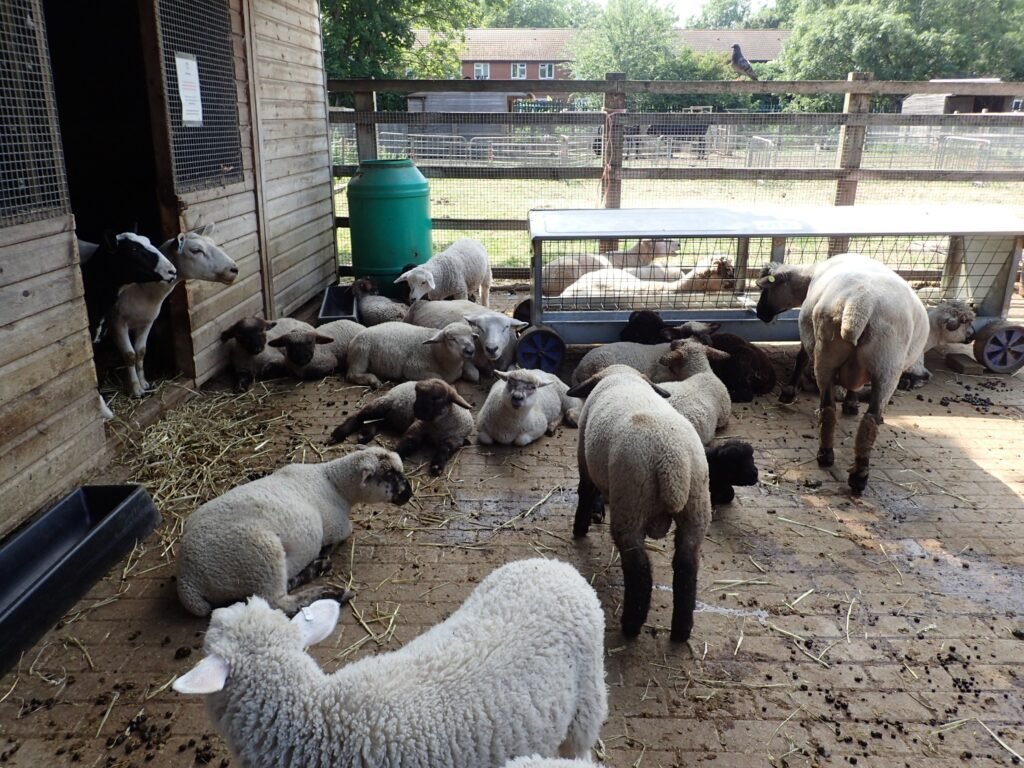
Rianne Machin, 26, has been volunteering at the farm since she was a teenager. Working primarily with the Young Farmers programme, which funds outdoor education for local and disadvantaged children, Machin is passionate that the farm maintains longevity and supports the community for generations to come.
“In ten years, I might have kids that want to go to farms that rely on volunteering,” Machin says. “Even if it’s a couple of hours, [volunteering] will make such a big difference to organisations and charities.”
Like many city farms, Surrey Docks Farm has been affected by a decrease in donations and increased costs for animal food. To combat this, the farm launched an initiative to raise £30,000 over just 30 days in March. In one week, they raised 75 per cent of the target.
“We are in a climate where people don’t have money and they are willing to give what little they have,” explains Machin.
When looking to form communities, people often stay in familiar groups, opting for spending time with people of similar ages and backgrounds. Due to the diversity of London, these city farms open their gates to people from all walks of life. Often, the communities that people are seeking already exist, but maintaining their infrastructures through difficult times is crucial to generational survival.
Julian explains, “London is a hard place to find community and to meet people. It can be really overwhelming and isolating. When you get a place like the farm you don’t want to lose it.”
Image credits via Wikimedia Commons