
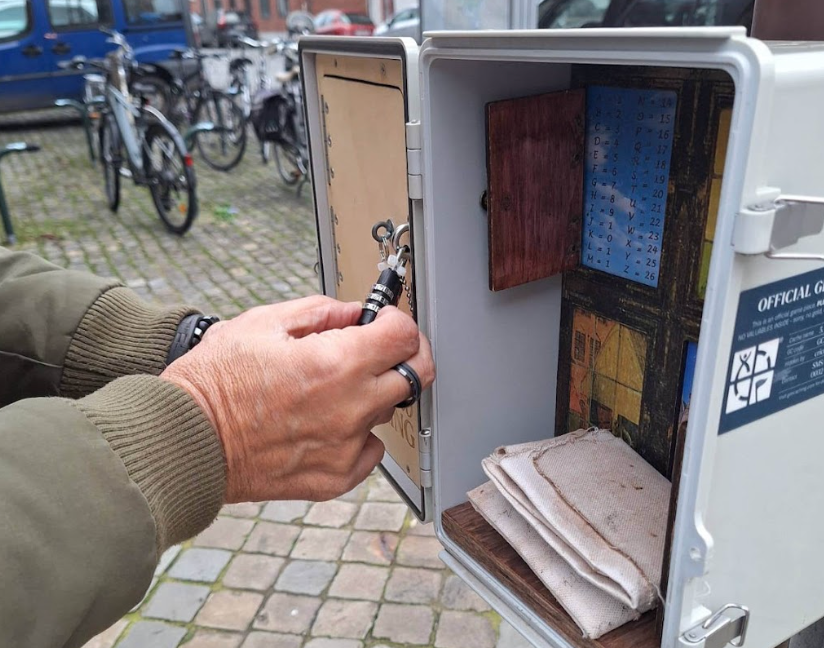
Geocaching is the 21st century’s answer to a good old-fashioned treasure hunt. With thousands of waterproof and loot-filled containers hidden around London, it’s the perfect excuse to GTFO.
It’s the 3 May 2000 and Dave Ulmer is walking through the woods of Beaverton, Oregon, holding what would go on to become the world’s first official geocache. In an unassuming black bucket, he would hide money, food, books, videos and a slingshot; along with the rule, ‘Take some stuff, leave some stuff’. Today, more than 3.4 million caches have been hidden worldwide, inspiring a scavenger hunt stretching all seven continents.
What is a geo-cache?
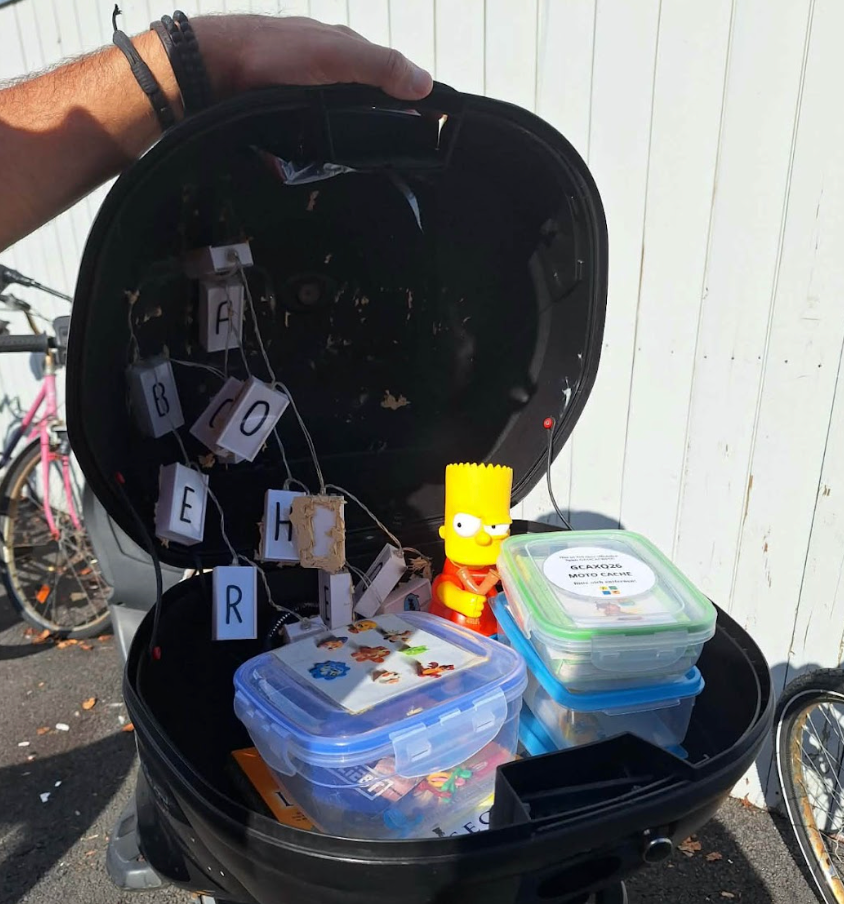
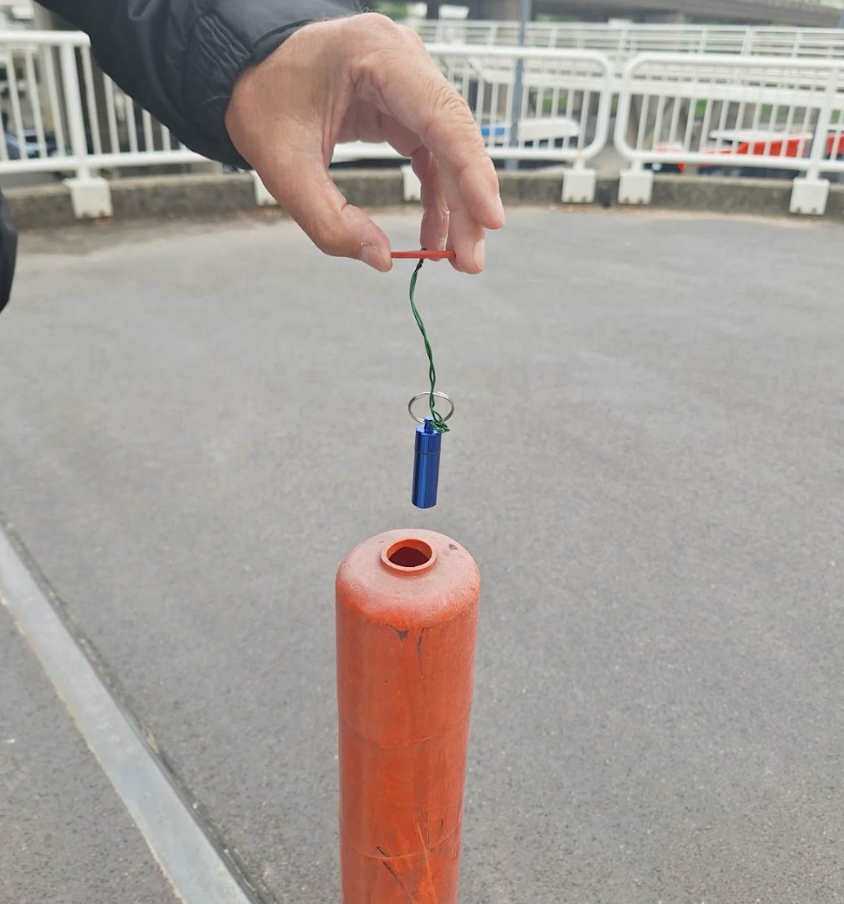
Although sizes vary, geocaches most often take the form of a small container the size of a film capsule, hidden anywhere from the back of an unassuming stop sign to a leafy treetop canopy. Most caches contain a logbook, where players can leave their name and a message, along with a collection of swag – trinkets for exchange.
To keep things interesting, there is an abundance of different types of cache waiting for the player to discover. Traditional caches are the most common and can be located via coordinates. For those seeking more of a challenge, mystery caches require puzzle and problem solving, while multi-stage caches need players to pass several levels before they can find the cache.
How to get started
It all begins on Geocaching.com, where players create a profile and receive a worldwide map, plotting – although not exactly – the locations of hidden caches. Using the directions provided, players will be directed to within 30ft of the cache. From then, it’s up to them to use their wits, alongside any clues or tips provided, to find the cache.
“Now I’m climbing trees, going into caves. That’s what drives me.”
Difficulty and terrain ratings
Not all geocaches are created the same, with some more family-friendly than others. To help players decide which caches are for them, each has two ratings; a difficulty rating and a terrain rating, ranging from one to five. Difficulty rating one indicates that a cache will be easy to find, while a difficulty rating of five requires advanced knowledge or expertise to locate.
Terrain rating one means accessible and flat. Terrain rating five requires specialist equipment to reach, the cache often being hidden at extreme height, within caves, or even underwater.
Geocachers in the wild
One person who is attracted by the challenge of extreme caches is Jason Deane. At the age of 51 and after 15 years of hunting caches, he has found over 4,000, even investing in equipment to help him reach those most expertly hidden.
“I have a kayak, and I’ll go get caches along rivers and canals. I own quite a lot of climbing equipment, like ropes and harnesses, so now I’m climbing trees, going into caves. That’s what drives me.”
With so many geocaches hidden across the world, many stumble across them completely by chance. Debbie Blanchett Deacons, 53, had her first introduction to the activity while on holiday in Iceland.
“We found caches at Westminster Abbey and at monuments all along the Thames River.”
“Everything was covered in snow and ice for days, but once the snow started to melt, we saw a plaque on the ground which read ‘Large crevice among rocks’.” Hoping to find a peaceful spot to spread her father’s ashes, Deacons climbed down, where much to her surprise, she uncovered her first geocache.
Amazed by what she soon discovered was a worldwide phenomenon, when she got back to the UK, Deacons began hunting down geocaches in her local park. She later attended London Calling, a multi-day gathering attended by thousands of geocachers from across the globe, which hosts parties, mazes and trails, as well as opportunities for them to network.
“We found caches at Westminster Abbey and at monuments all along the Thames River. There is one called ‘Scramble’, hidden by a war memorial for the Battle of Britain. You have to count things like the number of horses and poppies on the plaque to work it out.”
Upcoming events
The date for London Calling 2026 is yet to be announced but confirmed events include Piratemania 18 in June 2026 and The East Anglia UK Mega in August 2026. With thousands hidden in London alone, there’s no excuse. GTFG!
Enjoyable Read!