
Catch the last ambering sliver folding on dusk’s fist
measuring two fingers of morning light into your burnt larynx;
Slurp bubbles in sea’s mirror-sharp flotsam & one sip at a time,
understand sky above as orange peel if not reflection;
Fold dregs of glowing pencil shavings in or around yourself,
stand erect against a graphite tyrant, know it as your twin;
Answer your own call with goodbye, wing light through your tongue
butterfly, letter sound & spliced odd fullstops;
& live only by the creed of a little boy from Copparo,
who knows the day peels away lightly, much timed for meaning;
Crumple up shadows on your bedroom wall, linger on absence
in freshly mown grass, tear open the bud bloom of the sun.
On the 24th of February 2016 in the tiny town of Copparo (Central Italy), an Italian primary school teacher named Margherita Aurora was fascinated when Matteo, one of the boys in her class, used a word she had never heard of.
To describe a blooming flower he used the word “petaloso” (“full of many petals”). It doesn’t exist in the Italian dictionary but the new word was grammatically correct in the combination of words “petal” (petal) and “oso” (full of).
It became a viral trend on Italian media and many across the country tried to get the word approved by La Crusca, the country’s most well-known institution for research and the preservation of the Italian language.
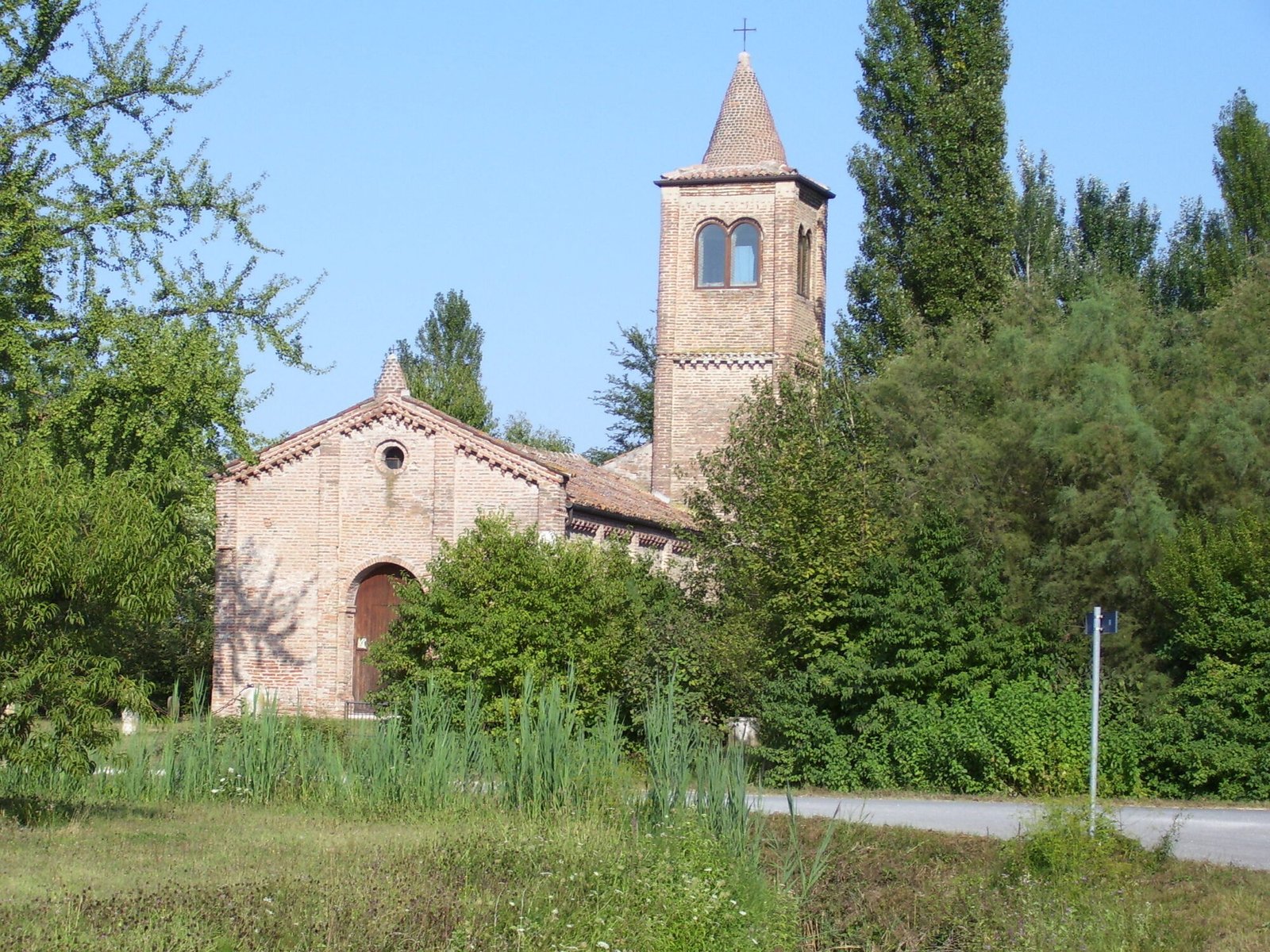
Header Image by JackB09 via Wikimedia Commons (CC2)
